

How Long Does a Sump Pump Last?
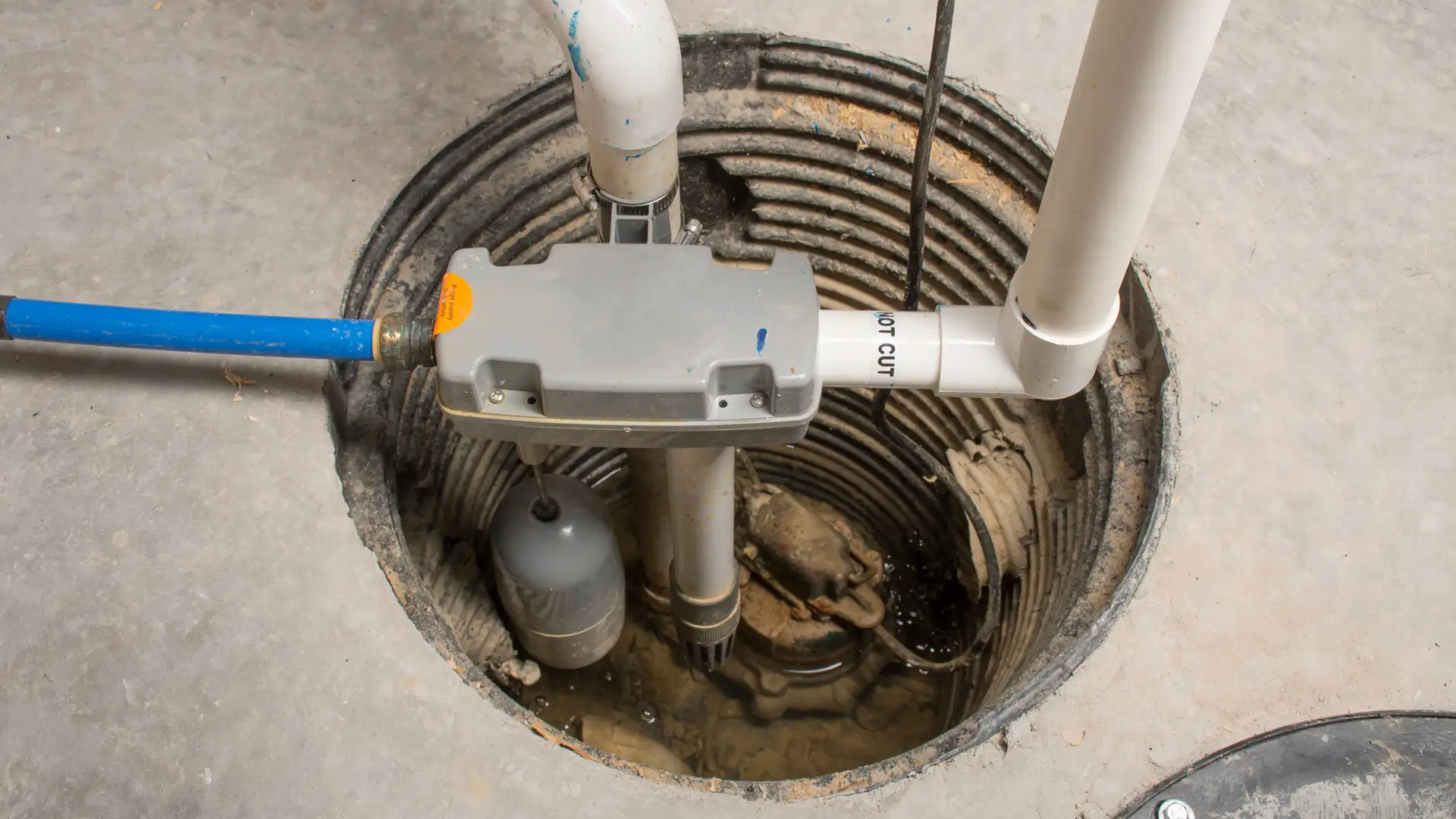
A sump pump helps manage water that collects in a basement drainage system by moving it away from your home. Because the equipment often sits inside a covered basin, it's easy to overlook until it stops working or begins making unusual noises.
Schedule Your Free Inspection
How Long Does a Sump Pump Last?
A sump pump helps manage water that collects in a basement drainage system by moving it away from your home. Because the equipment often sits inside a covered basin, it's easy to overlook until it stops working or begins making unusual noises.
So, how long does a sump pump last? Many residential sump pumps have an expected service life of approximately 7–10 years, although actual performance varies.
Understanding what affects a pump's lifespan, recognizing potential problems, and keeping up with maintenance can help you decide when an inspection or replacement may be appropriate.
Average Sump Pump Lifespan
The average sump pump lifespan is generally around 7–10 years. Some pumps may operate longer, while others may need replacement sooner depending on how frequently they run and the conditions in which they operate.
A pump that activates regularly may experience more wear than one that operates only occasionally. Installation conditions, maintenance, and equipment quality can also affect how long the system remains functional.
While sump pump life expectancy provides a useful starting point, age alone doesn't determine whether a pump needs replacement. Its operating condition and reliability are also important considerations.
What Affects How Long a Sump Pump Lasts?
Several factors can influence how quickly a sump pump experiences wear.
- Frequency of use: Pumps that activate frequently may experience more wear on motors, switches, and other components.
- Pump size and capacity: A pump that isn't appropriately sized for the amount of incoming water may struggle to manage the system's demands.
- Installation conditions: The discharge line, check valve, and basin setup can affect how efficiently the pump operates.
- Electrical issues: Power interruptions or problems with the electrical supply may interfere with normal operation.
- Debris buildup: Dirt, sediment, and other materials in the basin may interfere with the pump or float switch.
- Maintenance: Periodic inspections and testing can help identify developing problems before the pump stops operating.
Because these factors vary by property, two pumps of the same age may perform very differently.
Signs Your Sump Pump May Need Replacement
Recognizing potential signs of sump pump failure can help homeowners identify problems before the equipment is needed during a period of heavy water intrusion.
Watch for the following changes:
- Unusual noises: Grinding, rattling, or other unfamiliar sounds during operation may indicate a mechanical problem.
- Continuous operation: A pump that runs without shutting off may have a float-switch problem, an installation issue, or difficulty keeping up with incoming water.
- Failure to start: If water rises in the basin without activating the pump, there may be a problem with the switch, electrical supply, or pump itself.
- Frequent cycling: A pump that repeatedly turns on and off within short periods may have a switch, check valve, or sizing issue.
- Water remaining in the basin: Water that doesn't discharge as expected may indicate a blockage or another operating problem.
- Visible deterioration: Corrosion, damaged components, or other signs of wear may warrant closer inspection.
Not every symptom means the entire pump needs replacement. Some problems may involve individual components or the surrounding drainage system.
A professional evaluation can help determine whether repair or replacement is appropriate.
Maintenance Tips to Help Your Sump Pump Last Longer
Routine sump pump maintenance can help you identify problems and keep the system operating as intended.
Consider these practical steps:
- Test the pump periodically. Follow the manufacturer's instructions for testing. For many systems, this involves carefully adding water to the basin and confirming that the pump activates and discharges it.
- Check for visible debris. Look for materials that could interfere with the float switch or water entering the pump. Disconnect power before any cleaning or hands-on maintenance.
- Inspect the discharge outlet. Make sure the accessible electrical outlet isn't blocked by debris or other obstructions.
- Pay attention to unusual operation. Changes in noise, cycling frequency, or water removal may indicate that the system needs attention.
- Consider backup protection. A properly selected backup pump or battery system may provide additional water-removal capability during certain power outages or primary pump problems.
Follow the manufacturer's maintenance recommendations, and leave electrical repairs or unfamiliar mechanical work to a qualified professional.
Maintenance can't eliminate every possibility of failure, but it may help you identify concerns before they become more significant.
When to Schedule a Sump Pump Inspection or Replacement
Knowing when to replace a sump pump involves considering its age, condition, and performance.
If your pump is approaching the typical 7–10-year service range, it may be worth having the system evaluated, particularly if you've noticed changes in how it operates.
An inspection is also appropriate when the pump fails to activate, runs continuously, makes unusual noises, or doesn't remove water as expected.
United Structural Systems evaluates basement and crawl space moisture and drainage concerns and recommends solutions based on the conditions identified at your property.
USS also strongly suggests an annual preventative maintenance schedule like that found in the Customer Protection Plan to extend the life of any USS sump pump or other moisture control systems.
We also offer flexible payment options for qualifying projects.
Whether you're concerned about an aging pump or want to understand how your drainage system is performing, USS can help you explore the available options.
We are problem solvers. We are local experts. We are USS.
Connect with us today to schedule an inspection and learn more about your basement drainage needs
Customer Reviews
USS is a local foundation repair, crawl space repair, and basement waterproofing company with locations in Lancaster, KY, Lexington, KY, and Charleston, WV. We have earned the trust of thousands of homeowners and business owners. See what our customers have to say about us.