

7 Types of Wall Cracks and What They Mean
Cracks in walls can develop for a number of reasons, from normal material movement to foundation settlement.
Schedule Your Free Inspection
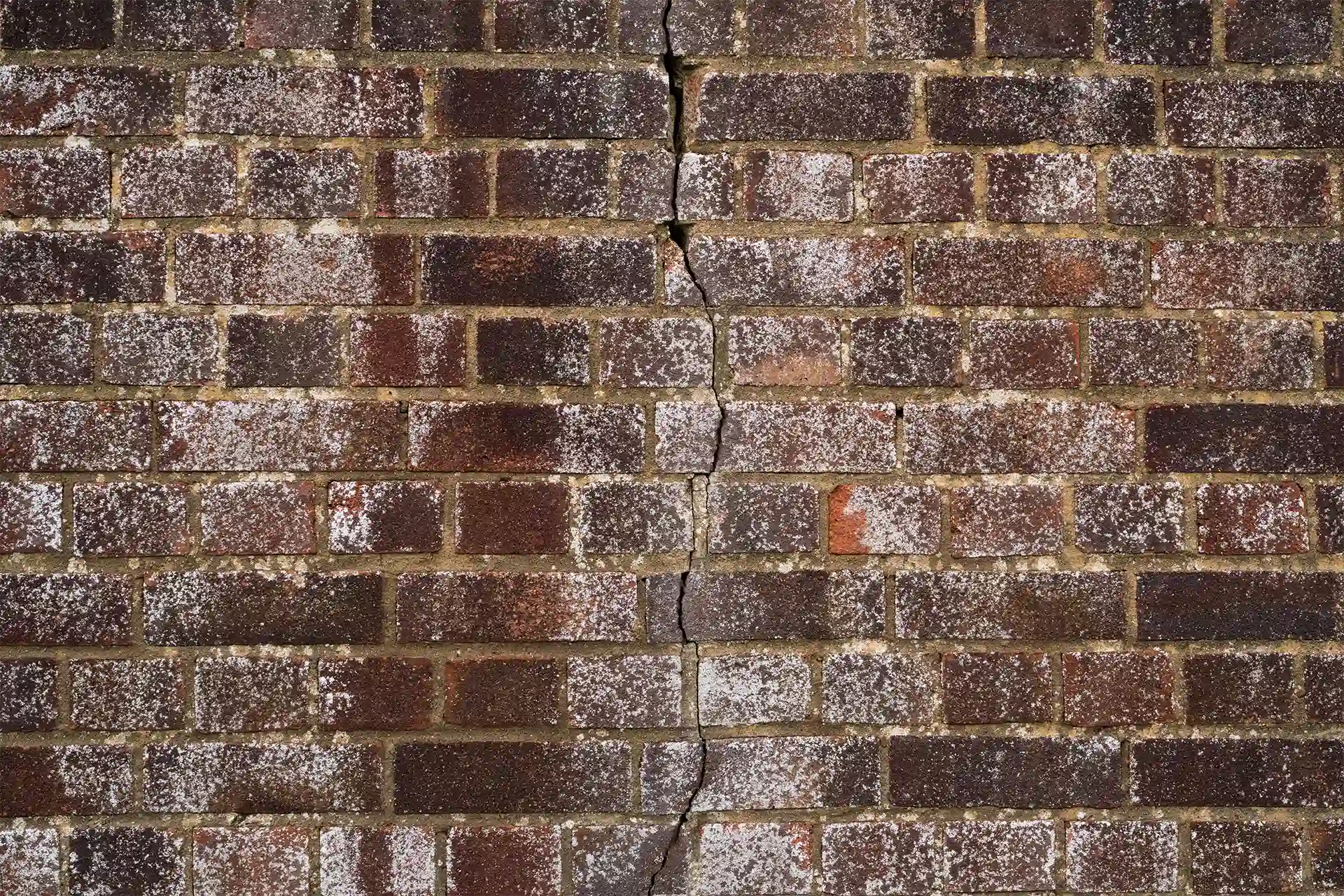
Cracks in walls can develop for a number of reasons, from normal material movement to foundation settlement. The size, direction, location, and whether a crack changes over time can all provide useful clues.
United Structural Systems helps homeowners evaluate cracks in walls and other signs of possible foundation movement. Understanding the different types of wall cracks can help you know which changes are worth monitoring and when a professional evaluation may be appropriate.
What Do Cracks in Walls Mean?
Cracks in walls don't always point to the same problem. Some may develop as building materials expand, contract, or settle over time, while others may be associated with changes in the foundation or the soil supporting it.
So, what do cracks in walls mean? The answer depends on the crack's location, direction, width, and whether other changes are happening around the home. A small drywall crack may be cosmetic, while a widening stair-step crack in masonry or a horizontal foundation wall crack may deserve closer attention.
Looking at the crack alongside other symptoms can help determine whether a professional inspection is warranted.
7 Types of Wall Cracks to Watch For
Different types of wall cracks can develop for different reasons. Common patterns include:
- Vertical cracks: Straight vertical cracks in drywall or plaster may develop from normal settling, material movement, or other changes in the home.
- Horizontal cracks: Horizontal cracks in concrete or masonry walls may be associated with pressure against the wall and should be evaluated, especially if they widen or are accompanied by bowing.
- Diagonal cracks: Diagonal cracks may develop as portions of a home settle or move differently from others.
- Stair-step cracks: Cracks that follow mortar joints in brick or block walls may be associated with foundation movement or settlement.
- Door and window corner cracks: Diagonal cracking near openings can develop as framing or surrounding materials shift.
- Ceiling seam cracks: Cracks where walls and ceilings meet may result from movement in framing, drywall joints, or other building components.
- Nail pops: Raised nail heads or small circular cracks in drywall are often related to movement in the framing or drywall installation.
Monitoring these types of cracks in walls can help you notice changes in size, shape, or location over time.
Which Wall Cracks Are Serious?
Which wall cracks are serious depends on more than appearance alone. Cracks may deserve professional attention when they:
- widen or change noticeably over time
- appear suddenly
- occur alongside bowing or movement in a wall
- form stair-step patterns in masonry
- are accompanied by uneven floors or sticking exterior doors and windows
No single crack pattern confirms a foundation problem. The surrounding conditions and other changes around the home should also be considered.
What Causes Cracks in Interior and Exterior Walls?
Cracks can develop for several reasons, and not all of them involve the foundation. Common contributing factors include:
- Normal material movement: Drywall, plaster, wood framing, and masonry can expand, contract, or shift over time.
- Foundation settlement: Uneven support beneath a home may contribute to movement that appears as cracking in walls or masonry.
- Changing soil moisture: Wet and dry conditions can affect the soil supporting a foundation.
- Drainage problems: Water collecting near a foundation may contribute to changing soil conditions.
Because different causes can produce similar symptoms, an inspection can help determine whether a crack is cosmetic or related to a larger foundation concern.
When to Call a Foundation Repair Professional
Consider scheduling an evaluation if wall cracks are widening, appearing suddenly, or occurring alongside other changes such as uneven floors, bowing walls, or sticking exterior doors and windows.
A professional can evaluate the crack pattern and surrounding conditions to help determine whether foundation movement may be contributing to the problem and whether repairs are recommended.
United Structural Systems provides straightforward evaluations and foundation repair recommendations based on the conditions found at your property. To discuss your concerns and learn more about available payment options, reach out to us today.
Customer Reviews
USS is a local foundation repair, crawl space repair, and basement waterproofing company with locations in Lancaster, KY, Lexington, KY, and Charleston, WV. We have earned the trust of thousands of homeowners and business owners. See what our customers have to say about us.